
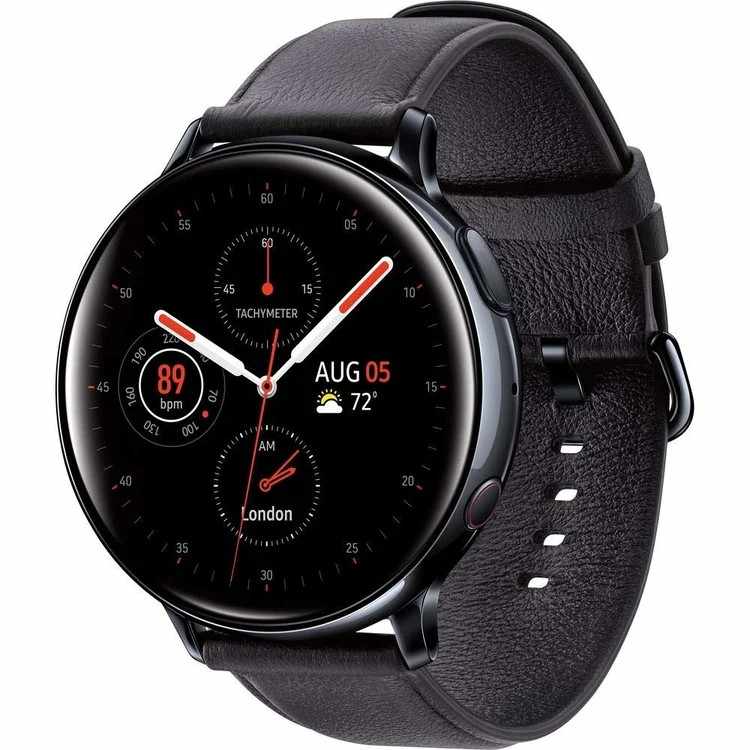
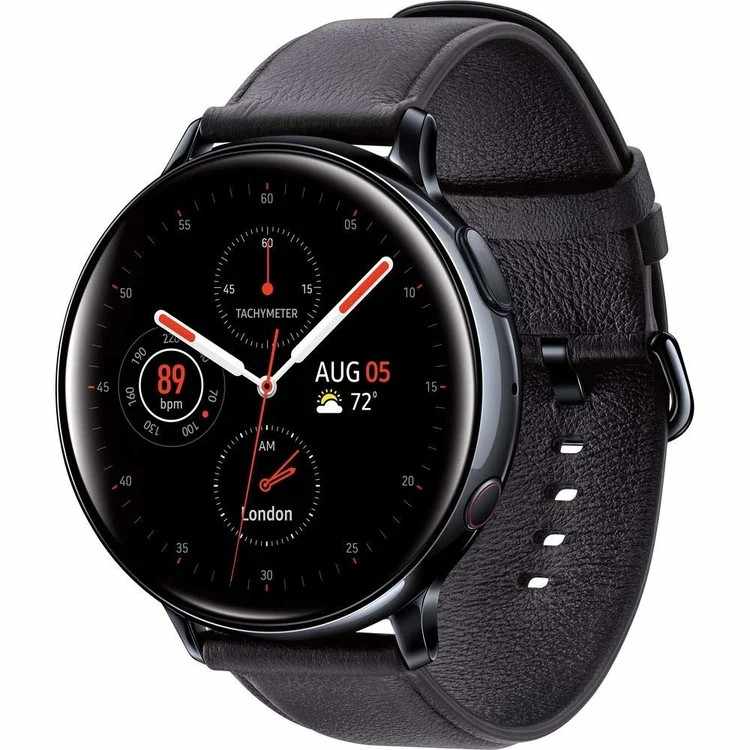
Smartwatches have grown far beyond basic step tracking to become essential tools for health monitoring, communication, and everyday productivity. Samsung’s smartwatch range—particularly the Galaxy Watch series—continues to rank among the most popular and trusted options worldwide. As technology matures and annual upgrades become more incremental, many consumers in 2026 are reconsidering how they buy wearable tech. This shift has brought Refurbished Samsung Smart watches into the conversation.
But are refurbished smartwatches truly worth considering in 2026? Or do they fall short compared to brand-new models? To answer this, it’s important to look at performance, longevity, software support, real-world use cases, and overall value—without the hype.
Refurbished smartwatches are often misunderstood. They are not simply pre-owned devices passed from one user to another without checks. A refurbished smartwatch typically undergoes inspection, testing, and necessary repairs before being made available again. Faulty components may be replaced, software is reset, and functionality is verified.
This process separates refurbished devices from casual second-hand purchases. In the case of Samsung wearables, refurbished models are usually restored to meet operational standards, ensuring that core features such as fitness tracking, display responsiveness, and connectivity are fully functional.
The Evolution of Samsung Smartwatch Technology
One of the key reasons refurbished wearables make sense in 2026 is that smartwatch technology has stabilized. Major improvements—such as AMOLED displays, accurate heart-rate sensors, sleep tracking, GPS, and water resistance—have been standard in Samsung watches for several generations.
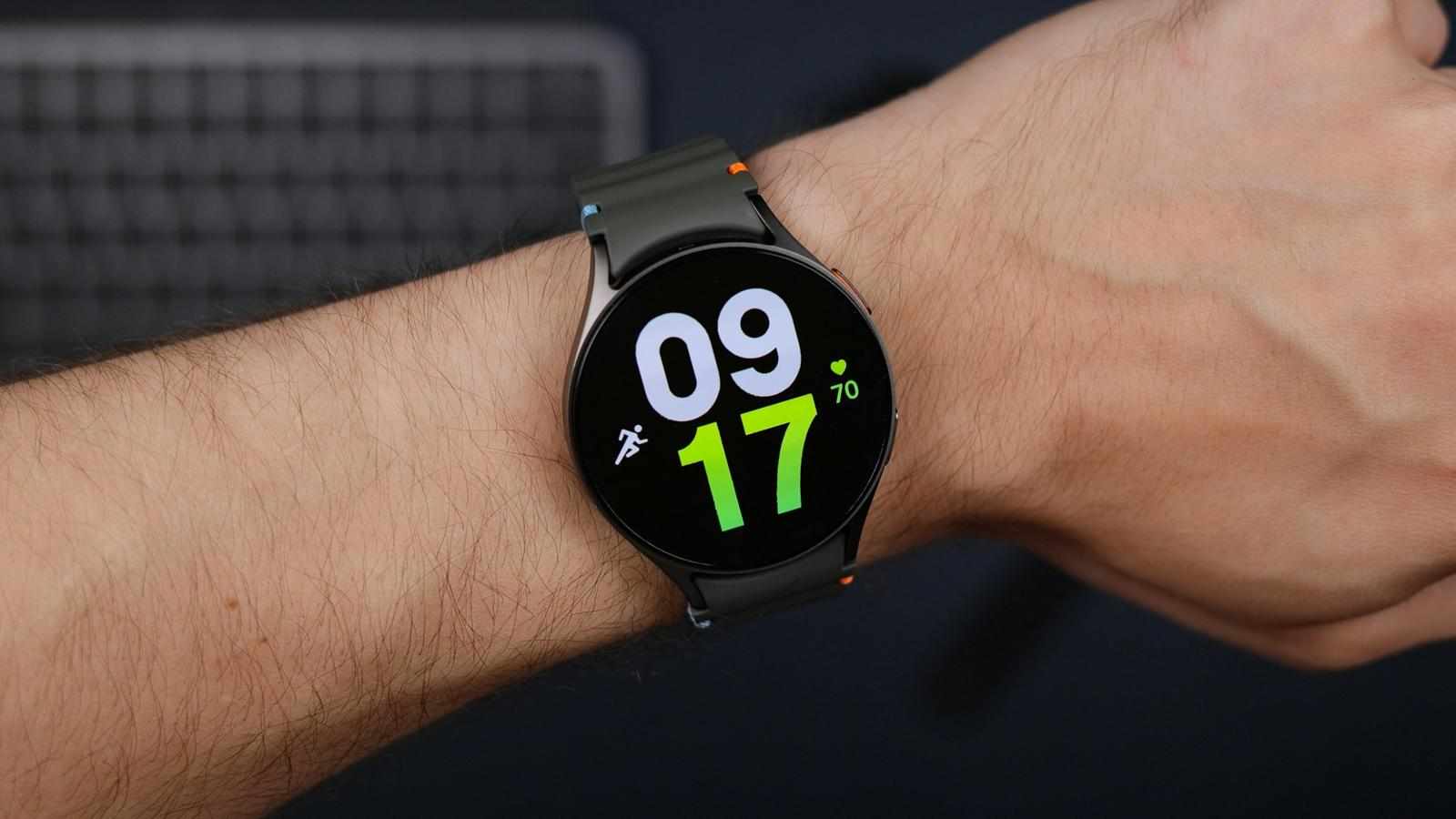
For most users, daily smartwatch activities include checking notifications, tracking steps, monitoring workouts, reviewing sleep data, and occasional calls or messages. These tasks do not require the newest processor or the latest design refresh. As a result, Renewed Samsung Galaxy Watch models from previous years still deliver smooth and reliable performance for everyday use.
Performance in Everyday Use
In real-world scenarios, refurbished Samsung smartwatches hold up well. App navigation remains responsive, health tracking metrics are accurate, and Bluetooth connectivity with smartphones continues to perform reliably. Even models that are a few years old can comfortably support:
Daily fitness and activity tracking
Heart rate and sleep monitoring
Notifications and calls
GPS-based workouts
Samsung Health integration
Unless users require very specific new features introduced only in the latest models, refurbished options often meet or exceed practical expectations.
Battery Life: A Common Concern Addressed
Battery degradation is often the biggest concern when considering refurbished wearables. However, many refurbished smartwatches are tested for battery health, and underperforming batteries are replaced during refurbishment.
Samsung smartwatches are designed for daily charging habits, and even slightly older batteries can comfortably last a full day with normal use. For users accustomed to charging their watch overnight, refurbished models rarely present a noticeable drawback in battery performance.
Software Updates and Compatibility in 2026
Another important factor is software longevity. Samsung continues to provide updates for its Galaxy Watch lineup for multiple years. Many refurbished models available in 2026 still support recent versions of Wear OS and Samsung Health updates.
App compatibility also remains strong, as most smartwatch apps are designed to work across multiple device generations. This ensures that refurbished devices remain secure, functional, and compatible with modern smartphones well into 2026.
Cost Versus Practical Value
The financial aspect is one of the strongest arguments in favor of refurbished wearables. New smartwatch models often come with premium pricing, even when improvements over previous versions are minimal.
Refurbished Samsung smartwatches allow users to access high-quality hardware at a significantly reduced cost. Instead of paying extra for minor design tweaks or marginal performance gains, users can focus on functionality that genuinely impacts daily use.
For many consumers, this balance of cost and capability makes refurbished options a more rational choice.
Sustainability and Responsible Technology Use
Electronic waste is a growing global concern, and wearable devices contribute to this problem more than many realize. Choosing refurbished technology helps extend the life cycle of devices that still have years of usability left.
In 2026, sustainability plays a larger role in purchasing decisions. Opting to Shop Refurbished Samsung Watch models supports responsible consumption by reducing demand for new manufacturing and minimizing electronic waste—without sacrificing performance.
How Refurbished Watches Compare to Budget New Models
An interesting comparison emerges when refurbished premium watches are measured against brand-new budget smartwatches. Entry-level new devices often compromise on display quality, sensor accuracy, software support, or build materials.
Refurbished Samsung smartwatches, even from older flagship lines, often outperform new budget wearables in terms of display clarity, durability, health tracking accuracy, and ecosystem integration. This makes refurbished models particularly appealing for users who want a better experience rather than simply a newer product.
Who Should Consider Refurbished Samsung Smart Watches?
Refurbished Samsung smartwatches are well suited for:
First-time smartwatch users exploring wearables
Fitness enthusiasts who want reliable tracking without premium pricing
Professionals seeking notifications and health monitoring
Users who upgrade phones often but keep wearables longer
Anyone focused on value, sustainability, and functionality
They may not be ideal for users who want the latest design trends or cutting-edge experimental features, but for practical everyday use, they fit exceptionally well.
Reliability Depends on the Source
The refurbished experience depends heavily on where the device is purchased. Reputable sellers follow structured testing and refurbishment processes, ensuring that watches are fully functional before resale. Platforms such as Buybackstore are examples of marketplaces where refurbished devices are offered with clear grading and quality checks, reducing uncertainty for buyers.
Conclusion
In 2026, refurbished Samsung smartwatches continue to offer strong value. They provide reliable performance, precise health tracking, dependable software support, and noticeable cost savings. As smartwatch innovation becomes more gradual, the difference between brand-new and refurbished models keeps shrinking.
For users who value practicality, reliability, and smart budgeting over owning the latest release, refurbished Samsung smartwatches are not a fallback—they’re a well-considered choice.
Instead of focusing only on what’s new, choosing refurbished technology helps consumers prioritize what truly matters: steady performance, lasting value, and more responsible use of technology.

Write a comment ...